


A Multistakeholder Model for Curriculum Development
This semester, my class project focused on a question I care deeply about in my professional work: how can engineering curriculum better connect classroom learning to the realities of engineering practice?
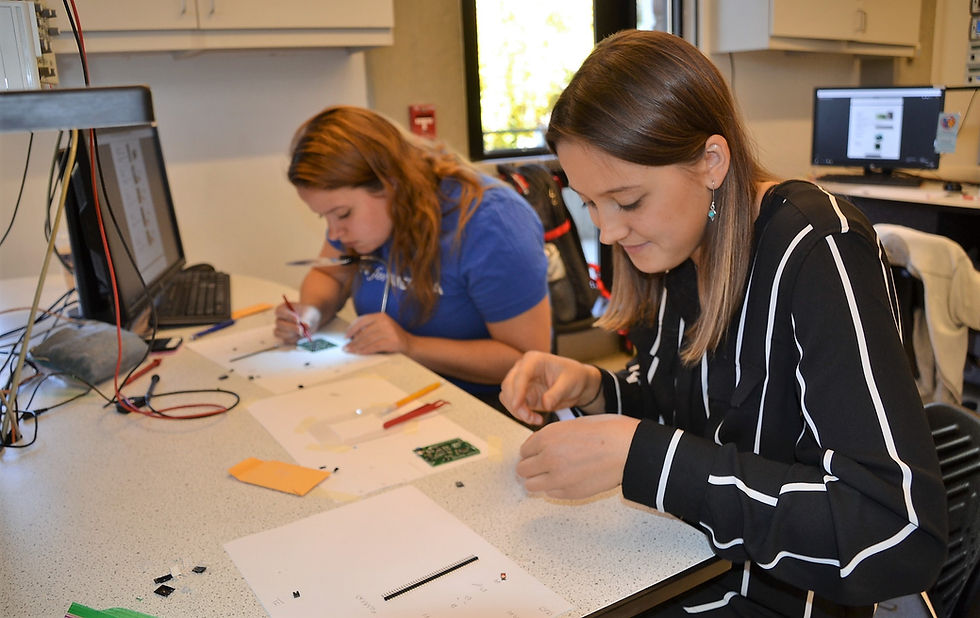
My project builds on work I have been involved in through the Integrated Teaching and Learning Program (ITLP), where we develop hands-on learning experiences that help students engage more directly with engineering tools, testing methods, and real-world problem-solving. For this project, I explored how curriculum can be shaped not just by faculty but through collaboration across multiple groups, including students, alumni, industry partners, and engineering education staff.
At the center of this work is a multi-stakeholder model for curriculum development.

PROJECT GOALS
The goal of this project was to better understand and communicate an approach to curriculum development that is:
connected to real engineering practice
responsive to student learning needs
feasible for implementation in courses
informed by people with different kinds of expertise and background
Rather than treating curriculum design as something that happens in isolation, this project highlights the value of bringing together stakeholders who each contribute something important. Faculty help align with course goals. Industry and alumni bring insight into professional practice, real world narratives and case studies. Students help identify where learning feels unclear, abstract, or disconnected. Engineering staff help translate ideas into hands-on, workable learning experiences.
MY APPROACH
This project involves writing a conference paper focused on the development of hands-on, alumni- and industry-informed engineering curriculum and what is learned from developing this model. A major part of the work is not only creating these learning experiences, but also studying how students and curriculum co-developers experience them.
The project uses a mixed-methods approach, combining both quantitative and qualitative data. On the quantitative side, students who participate in workshops or embedded curricular experiences complete short post-experience surveys. These surveys are designed to capture how students perceive the experience in relation to constructs such as engineering identity, adaptive expertise, and motivation-related factors tied to persistence in engineering. Because many of these experiences are short, the goal is not necessarily to claim major shifts from a single workshop, but rather to understand whether students report things like increased curiosity, stronger connections between coursework and practice, greater confidence engaging with engineering tools or ideas, or an expanded sense of what engineering work can look like.
On the qualitative side, the project includes interviews with both student learners and curriculum co-developers, including undergraduate students and alumni who helped shape the curricular materials. These interviews are intended to provide a fuller picture of how participants make meaning of the experience. For student learners, the interviews explore how they describe the relevance of the workshop or module, what stood out to them, and whether the experience influenced how they think about engineering, their skills, or possible future pathways. For curriculum co-developers, the interviews focus more on the process of creating the curriculum, what they contributed, what they gained from participating, and how the experience may have shaped their own professional growth or understanding of engineering education.
Together, these forms of data are meant to help answer a broader question: how might hands-on, multi-stakeholder curriculum development support students not only in learning technical content, but also in seeing engineering as relevant, meaningful, and connected to real practice?


Comments